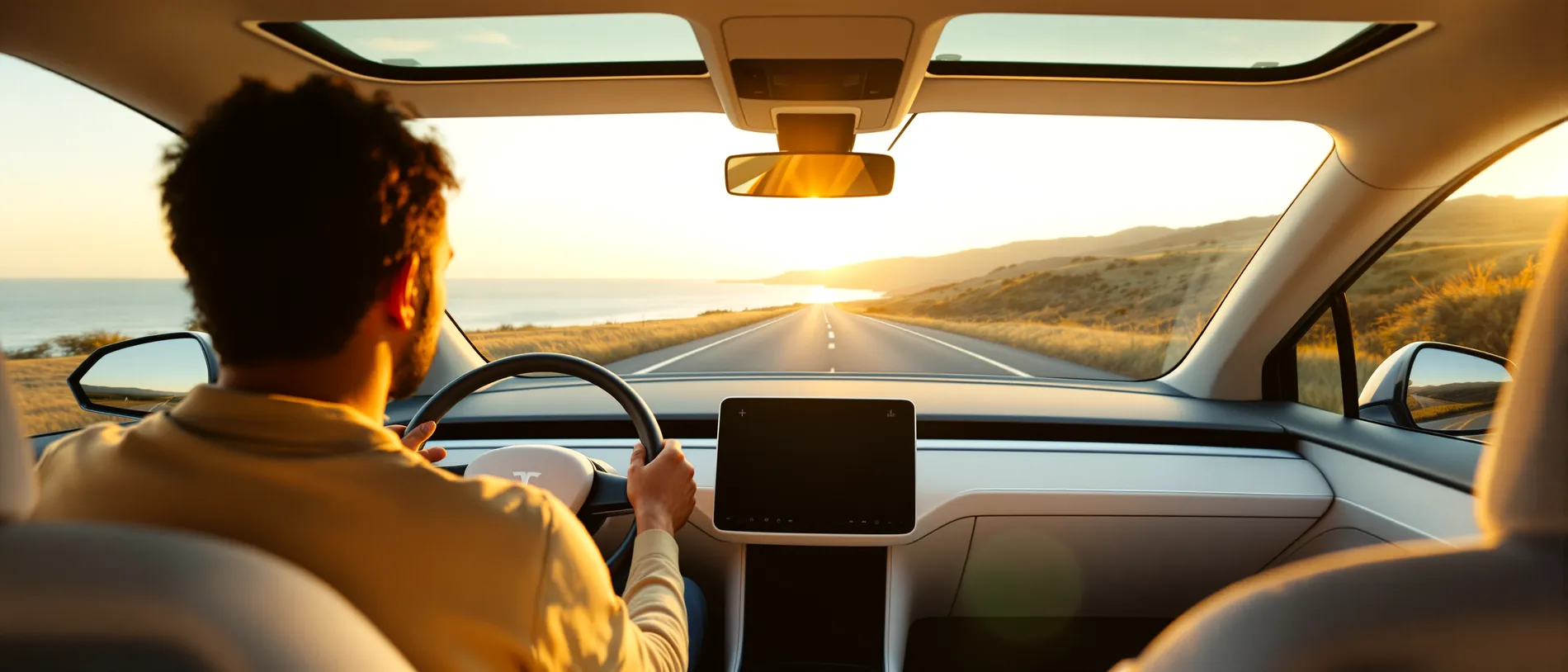
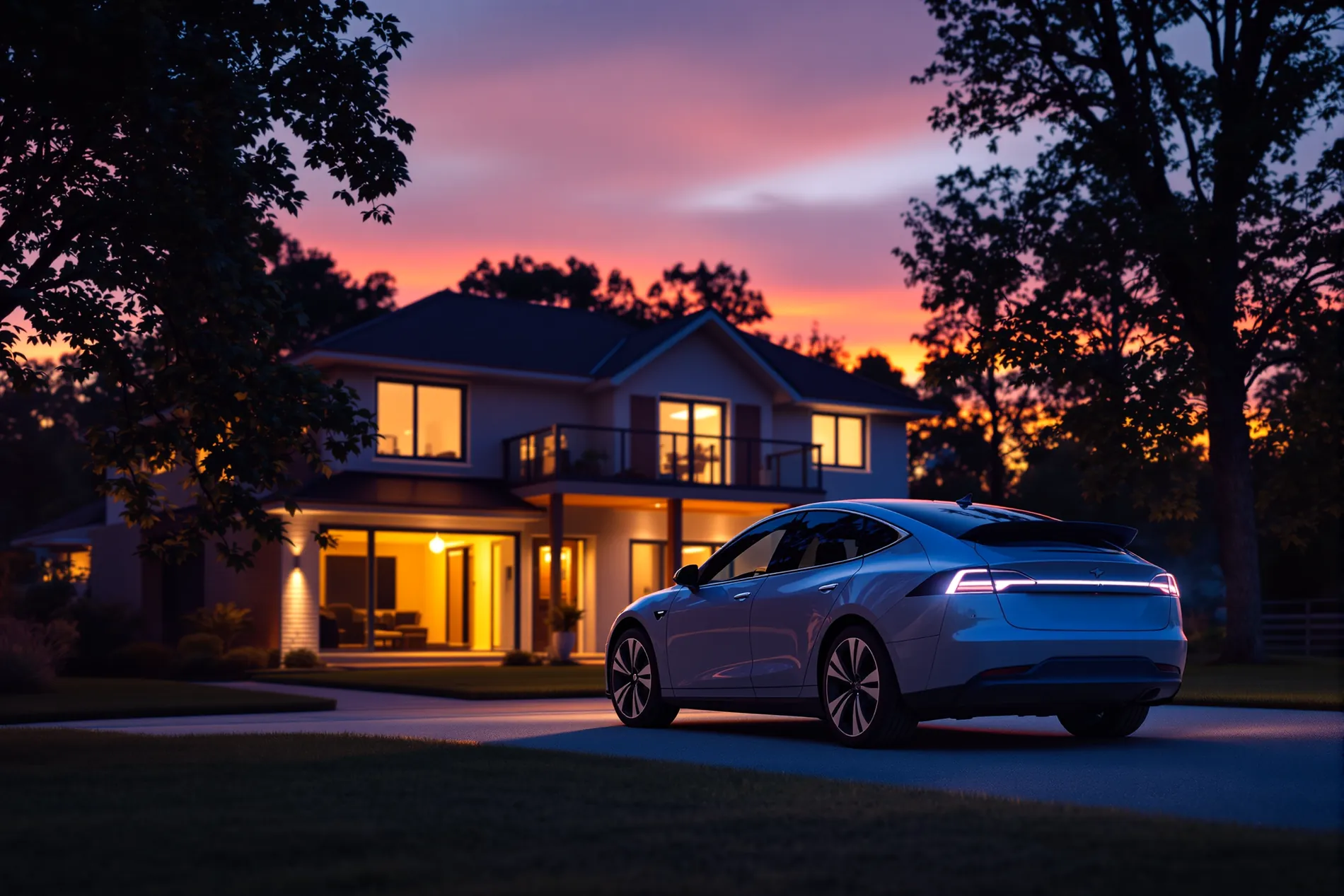
This is a Tesla
The road stops being a chore.
Almost everyone with a strong opinion about this car has never been in one. Here is the part the arguing never gets to: what it is actually like.
Almost everyone with a strong opinion about this car has never been in one. Here is the part the arguing never gets to: what it is actually like.
Driving is a hundred tiny decisions a minute that you stopped noticing you were making. Hold the lane. Watch the brake lights four cars up. Check the mirror. Adjust for the lorry drifting. Do it for forty minutes and you arrive with a jaw you did not know you were clenching.
On a motorway with assistance engaged, most of that quietly goes away. The car holds the lane and the distance. You are still responsible, still watching, still the driver — but the low-grade tax of continuous micro-correction lifts, and what comes back is attention. For the conversation. For the music. For the coast on your left that you have driven past a hundred times and never once looked at.
People describe it as the drive being less tiring. What they usually mean is that they arrived as a person rather than as a survivor of the A14.
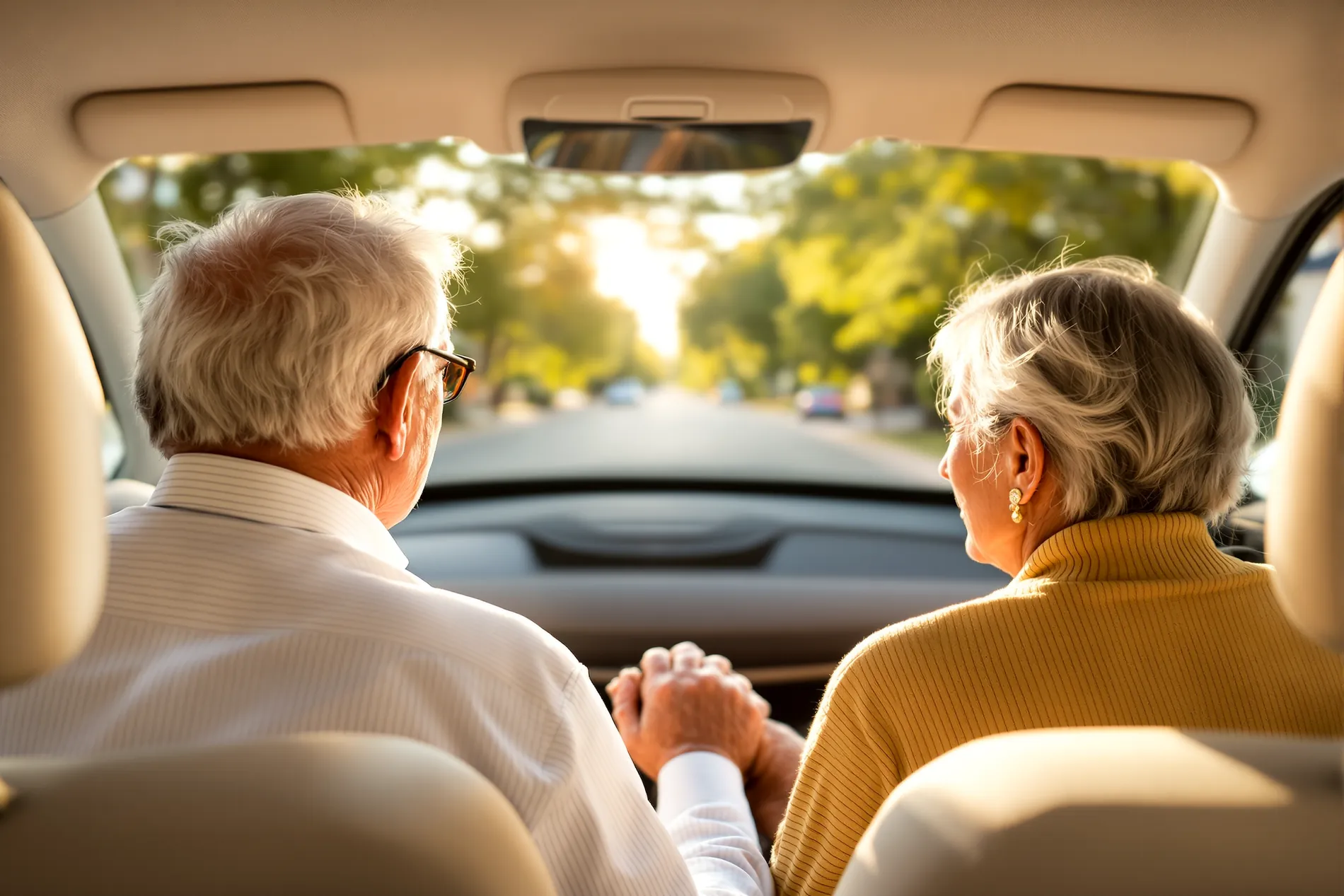
There is a conversation almost every family has, and everybody dreads it.
It usually starts with a small thing. A kerbed wheel. A wrong turn on a road they have driven for thirty years. Someone gently suggests that maybe it is time.
And what is actually being proposed, underneath the kindness, is enormous. Give up the shops. Give up the friend across town. Give up going to the appointment on your own, at a time you chose, without asking your daughter to take a morning off work. Handing over the keys is not a transport decision. It is the moment a person stops being someone who goes places and becomes someone who is taken places. Many never get over it, and the research on isolation in older adults is not gentle about what follows.
This is the part of the technology that gets shouted over. Every argument about self-driving is conducted as though the only question is whether a computer drives better than a healthy thirty-five-year-old. That is not the question that matters most. The question that matters most is what happens to the person for whom the alternative is not driving at all.
Not tomorrow, and not solved yet — the corrections desk on this site publishes every piece of evidence that this technology is not finished. But the direction is clear, and the destination is a world where losing your licence costs you a licence, and nothing else.
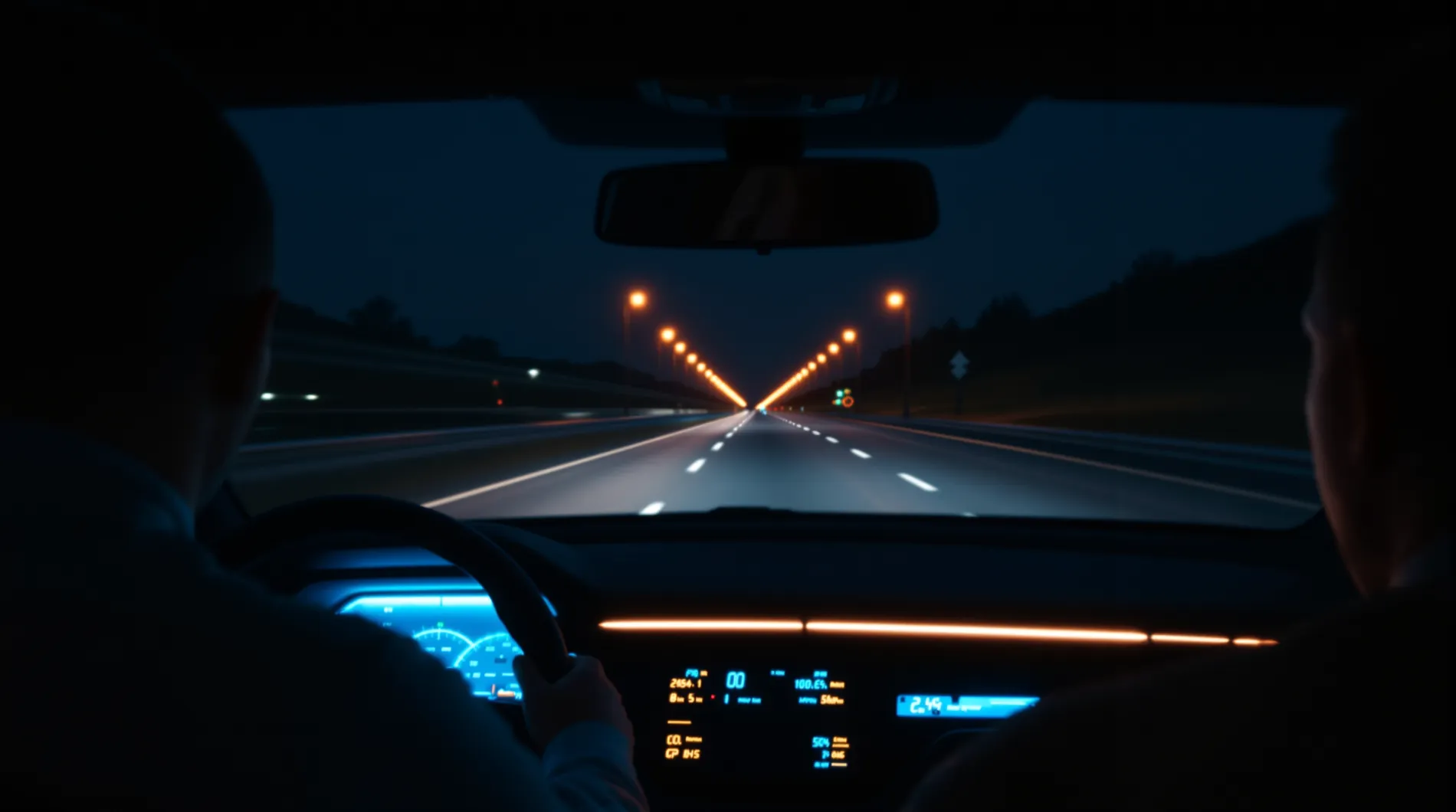
Every petrol car ever built was as good as it would ever be on the day it left the factory. From that morning onward it only wears out.
This one improves. Overnight, over the air, free. The 2026 Summer Update added routes that learn where you actually go, navigation that recognises your Tuesday, voice control that will ring someone for you, new traction modes, and a range estimate that finally accounts for how the battery has aged — to cars people had already bought years ago.
And when something needs fixing, it is usually fixed the same way: downloaded while the car sits on the drive. No letter. No dealership. No Thursday three weeks out. Traditional recalls are completed on roughly 75–87% of affected cars. Over-the-air remedies approach 100%, because nothing is asked of you at all.
Fires per 100,000 vehicles: petrol and diesel 1,530, hybrids 3,475, fully electric 25. Your current car is roughly 61 times likelier to burn. Sweden's national fire register found the same direction independently.
Building it does cost more carbon. In the US that is paid back in roughly 13,500–21,300 miles — under two years for most drivers. After that it is pure gain, and the grid keeps getting cleaner while a petrol car's emissions never improve.
In our matched 2025 window, 10 people died on US roads with Autopilot or FSD verified engaged, against 30,411 in something else. That is 0.033% of road deaths. It is not finished technology and we say so — but the fear is wildly out of proportion to the number.
It costs less to run, needs almost no maintenance, is repaired without a dealership, and is built in America. You can arrive at that from the left or the right. The exhaust does not check anyone's registration before it gets into their lungs.
You are not asked to. Assistance is supervised — you remain the driver, hands ready, eyes up. What changes is how much of the boring work you personally have to do.
For most owners the ritual of driving to a petrol station is replaced by plugging in at home the way you plug in a phone. You leave every morning with a full tank you never queued for.
That it is perfect. It isn't. Tesla's driver-assist crash count reported to regulators hit a record in May 2026, its Austin robotaxi service has been logging crashes at a rate worse than human drivers, and NHTSA has an open investigation covering 3.2 million cars. All of that is real and all of it is published, at full strength, on the corrections desk.
We are also not going to tell you that Tesla's own "one crash per 6.36 million Autopilot miles" figure is a fair comparison, because it isn't — those are mostly motorway miles, which are the safest miles anyone drives.
The case on this page does not need any of that to be hidden. It survives being told the truth, which is more than can be said for the case against.
Everything on this page is checkable, and we would rather you checked.